

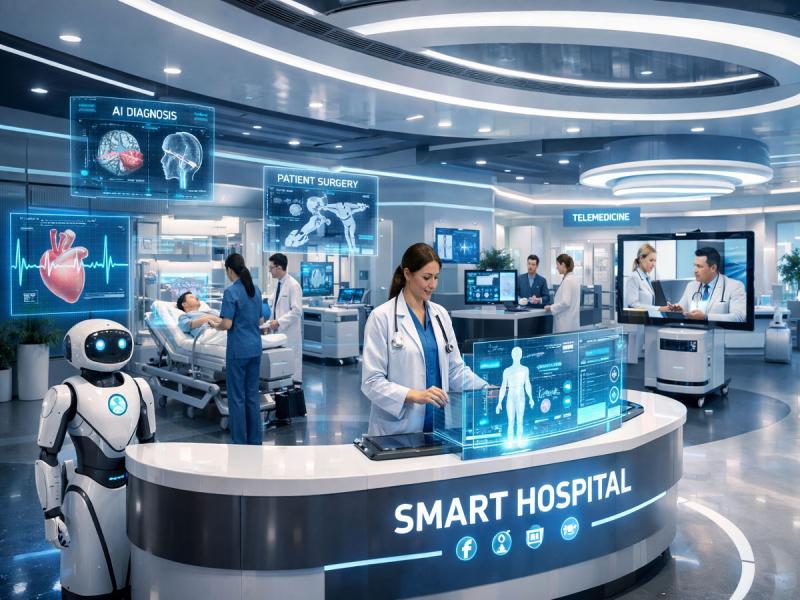
Hospitals are complex facilities that require continuous monitoring and rapid intervention due to 24/7 patient traffic, critical areas such as intensive care units and emergency departments, visitors, healthcare professionals, vehicle entry and exit, and high security requirements.
While traditional camera systems provide visual monitoring of these areas, AI-powered video analytics can analyze camera feeds in real time and automatically detect predefined events.
MonitEye analyzes video streams from existing camera infrastructure using artificial intelligence and helps hospitals monitor various processes more effectively, including patient safety, operational efficiency, parking management, and area control.
Why Should Hospital Camera Systems Be Supported by Artificial Intelligence?
A hospital may have hundreds of cameras. However, monitoring all these camera feeds continuously by personnel is operationally challenging and increases the risk of missing a critical event.
AI-powered video analytics transforms cameras from systems that simply record footage into intelligent systems capable of understanding events and generating alerts based on predefined rules.
For example, camera footage can be automatically analyzed to detect scenarios such as:
- Detecting a person who has fallen or fainted
- Identifying a person who remains motionless in a specific area for an extended period
- Detecting unauthorized use of disabled parking spaces
- Identifying unauthorized vehicles parked in electric vehicle charging areas
- Determining whether a charging space is occupied or available
- Monitoring vehicle entries and exits in hospital parking areas
- Detecting unauthorized access to designated areas
1. AI-Powered Detection of Patients Who Fall or Faint
Patient safety is one of the most critical priorities in hospitals.
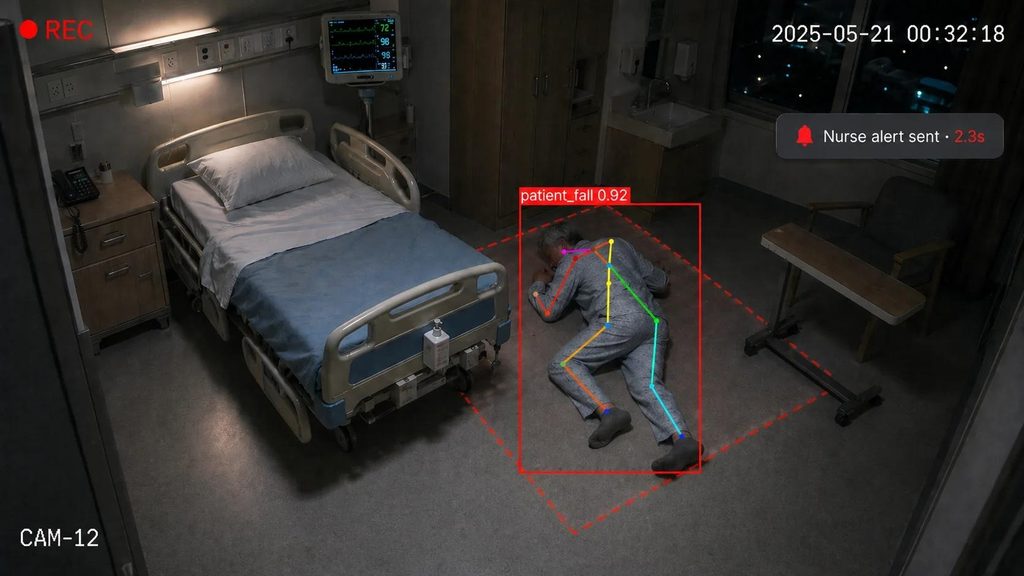
Especially in corridors, waiting areas, emergency departments, patient rooms, and common areas, a patient falling or remaining motionless on the floor can become a situation requiring rapid intervention.
MonitEye can analyze camera footage to track human movements and predefined behaviors.
The system can be configured to detect:
- A person’s falling motion
- A person remaining motionless after falling
- A person remaining on the floor for a predefined period
- Unusual movements in designated areas
This can enable an automatic alert mechanism to notify security personnel or relevant hospital staff about the event.
Objective: Detect faster, respond faster.
The purpose is not to replace healthcare professionals, but to provide an additional digital monitoring layer that helps ensure critical events are noticed promptly.
2. Smart Video Analytics for Hospital Parking Areas
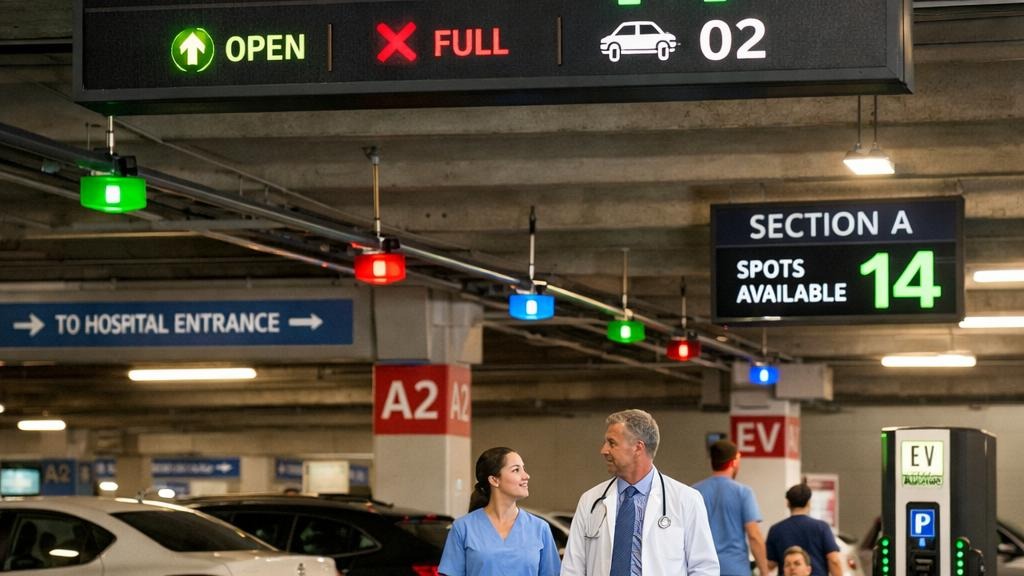
Hospital parking areas, particularly in large healthcare campuses, experience significant vehicle traffic.
While traditional camera systems provide visual monitoring, AI-powered video analytics can transform this footage into actionable operational data.
With MonitEye, hospitals can monitor scenarios such as:
- Vehicle entries and exits
- Parking occupancy
- Whether a specific area is occupied
- How long vehicles remain in designated areas
- Unauthorized parking
- Use of disabled parking spaces
- Vehicles occupying emergency access areas
This allows hospital management to access measurable parking data instead of relying solely on camera footage.
3. Monitoring Electric Vehicle Charging Areas
As electric vehicles become more widespread, the use of EV charging stations in hospitals is also increasing.
For charging stations to be used efficiently, it is important that these areas are occupied by the appropriate vehicles.
For example, if a vehicle that is not charging parks in front of an EV charging point, the system can detect the situation through camera footage.
With MonitEye, hospitals can analyze scenarios such as:
- Whether a charging space is occupied or available
- Whether a vehicle has arrived at a charging point
- Whether a different vehicle has parked in a charging space
- Whether the charging area is being used against predefined rules
- How long a vehicle remains in the area
This can support more controlled and efficient use of EV charging points within hospital parking facilities.
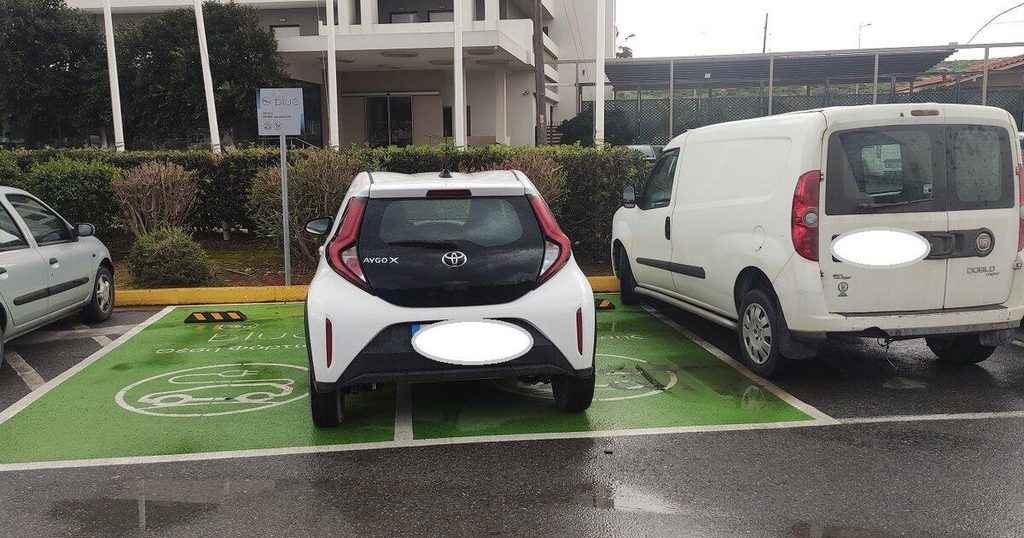
4. Detecting Unauthorized Vehicles Parked in Charging Areas
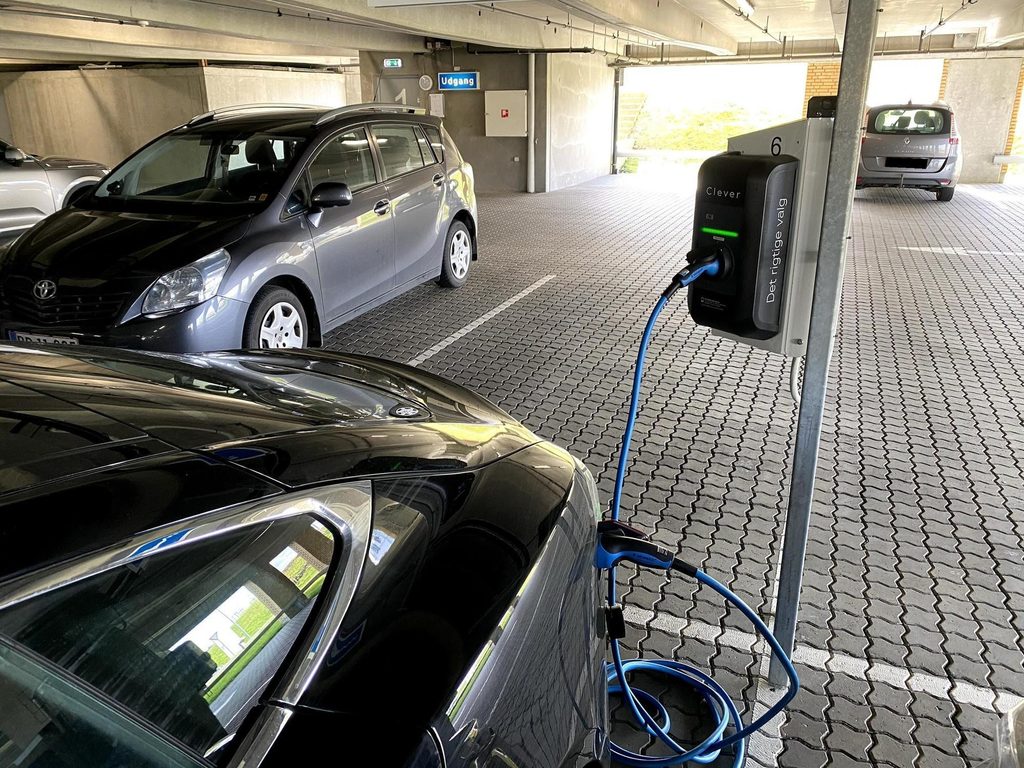
One of the common challenges with electric vehicle charging stations is that charging spaces may be occupied by vehicles that are not using the charging service.
For example:
EV charging space is empty → a regular vehicle parks in the space → the camera system detects the situation → an alert is sent to the designated person.
This approach allows hospital management to automatically monitor predefined rules without requiring personnel to continuously watch camera screens.
The same scenario can also be applied to other restricted-use areas and critical zones within the hospital.
5. Monitoring Disabled Parking Spaces
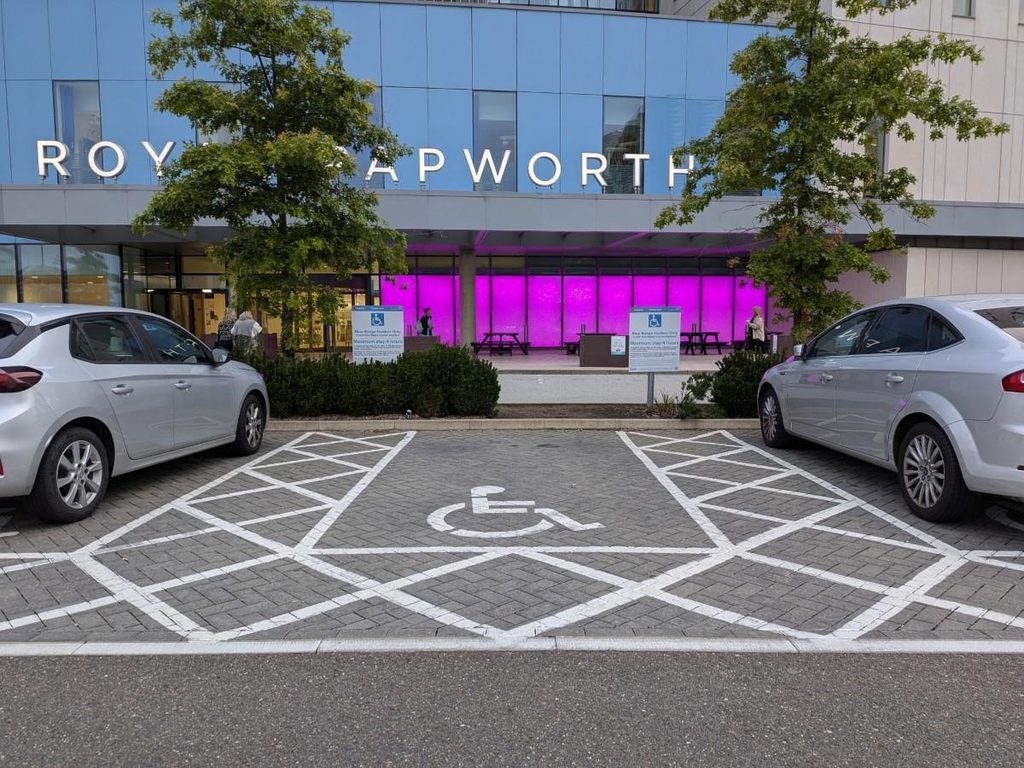
Proper use of disabled parking spaces is important for accessibility within hospitals.
AI-powered video analytics can monitor designated parking spaces through existing cameras.
The system can be configured to detect:
- Whether the space is occupied or available
- Whether a vehicle is parked in the designated space
- How long the space remains occupied
- Parking situations that violate predefined rules
This can help establish a more structured monitoring mechanism for critical parking areas within hospital facilities.
6. Area Violation Detection in Emergency Departments and Critical Areas
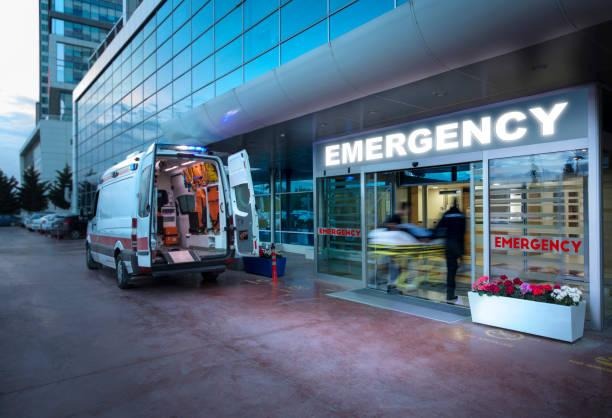
Certain areas within hospitals need to remain continuously accessible or be used according to specific rules.
Examples include emergency department entrances, ambulance areas, fire exits, staff-only areas, and technical sections.
MonitEye can analyze designated areas through camera footage and create alert mechanisms for scenarios such as:
- Unauthorized access
- A person remaining in a designated area for an extended period
- A vehicle occupying a critical area
- Use of a designated area in violation of predefined rules
7. Waiting Time and Crowd Density Analysis in Hospitals
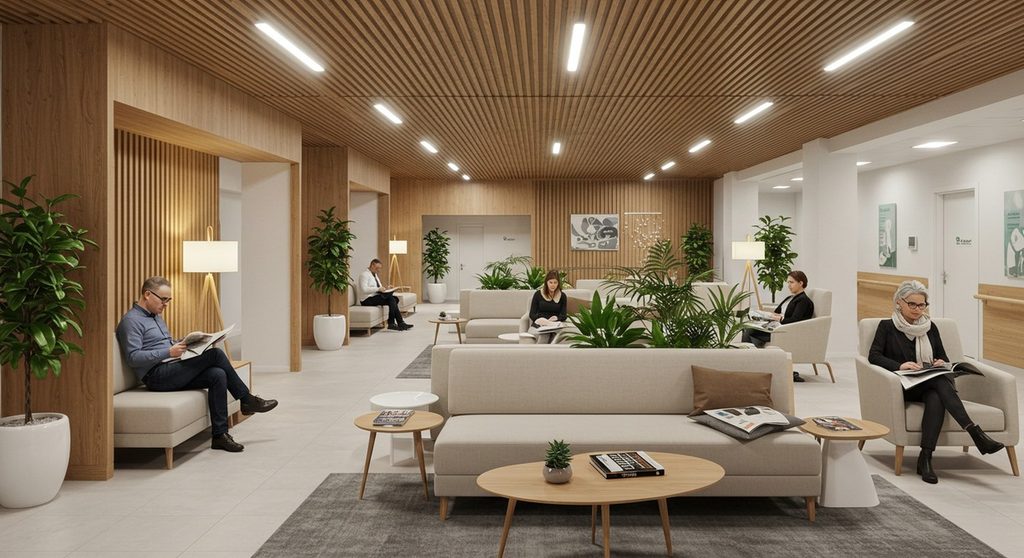
Waiting times are an important factor affecting the patient experience.
In outpatient clinics, reception areas, information desks, emergency departments, and other high-traffic areas, camera footage can be analyzed to measure:
- Crowd density
- Number of people in an area
- Waiting times
- Changes in occupancy levels
- Queues forming in designated areas
These insights can help hospital management better understand when and where congestion increases.
This data can support data-driven decision-making for staff planning and operational process improvement.
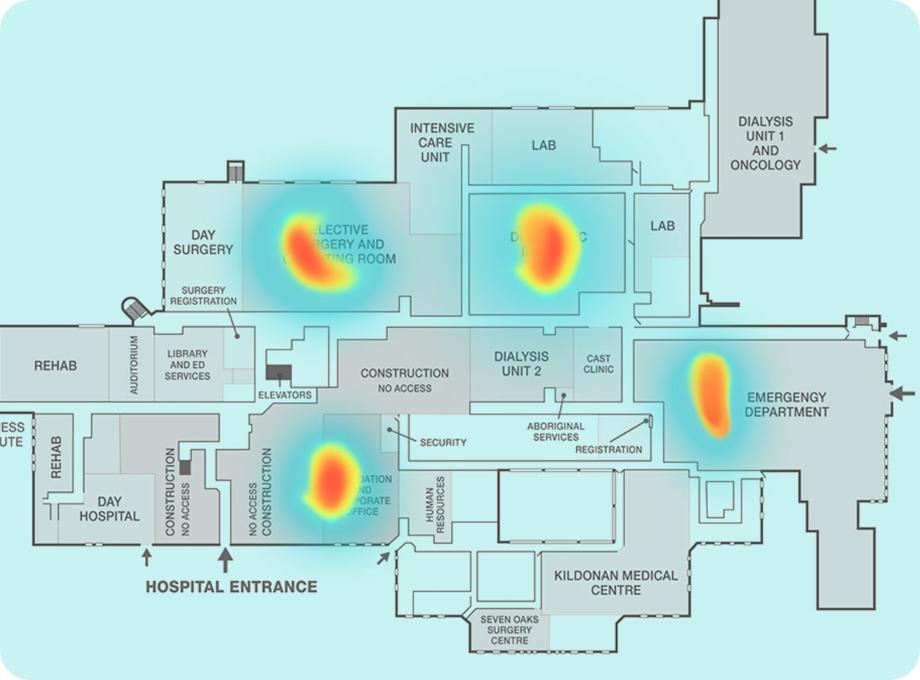
8. Heat Maps and Movement Analysis Inside Hospitals
Camera systems can be used not only for real-time event detection but also for analyzing past operations.
With MonitEye, human movement within designated areas can be analyzed to generate heat maps.
For example:
- Which corridors are the busiest?
- Which areas experience the longest waiting times?
- Which routes do visitors use within the hospital?
- Which areas become crowded at different times of the day?
- In which areas does staff activity increase?
These questions can be addressed using data generated from camera footage.
9. A Proactive Approach to Hospital Security
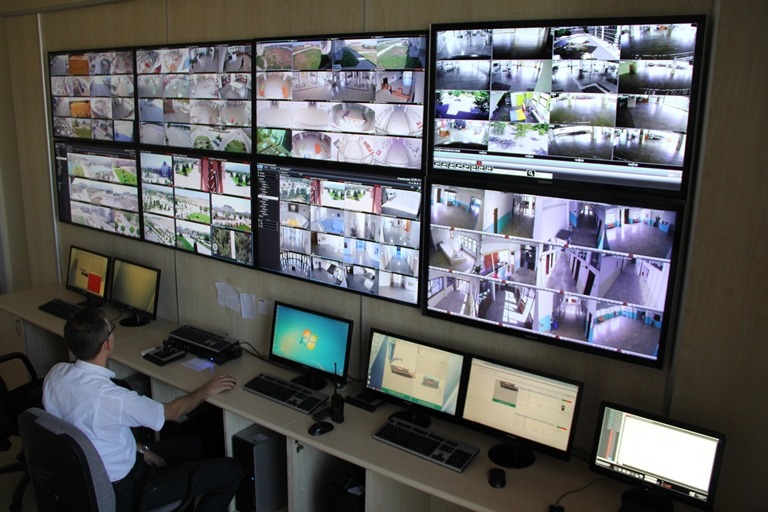
With traditional camera systems, footage is often reviewed after an incident has occurred.
AI-powered video analytics, on the other hand, can enable events to be detected in real time or based on predefined criteria.
This approach supports a control mechanism in hospitals that works as:
Camera → Artificial Intelligence → Analysis → Alert → Intervention
As a result, camera systems can evolve from being a recording infrastructure used primarily for reviewing past incidents into a digital monitoring layer that contributes to hospital operations.
Make Your Existing Camera Infrastructure Smarter with AI
Installing an entirely new camera infrastructure may not always be necessary in hospitals.
MonitEye can analyze footage from existing camera systems using artificial intelligence and help implement different use cases.
The core approach is to transform the visual data already available to the hospital into meaningful and measurable operational insights.
Cameras provide the visual data. MonitEye turns that data into insights.
Next-Generation Video Analytics with AI for Healthcare Facilities
The use of artificial intelligence in hospitals goes far beyond monitoring security cameras.
Patient safety, parking management, electric vehicle charging area monitoring, crowd density analysis, critical area monitoring, and operational efficiency are among the many processes that can be supported by data generated from camera footage.
MonitEye aims to transform existing camera infrastructure into an AI-powered analytics layer, making previously invisible operational data visible and actionable for healthcare facilities.
See. Analyze. Improve.
Let’s evaluate together which processes in your hospital can be monitored with artificial intelligence.
Contact us to discover MonitEye and explore AI-powered video analytics use cases tailored to your hospital.