

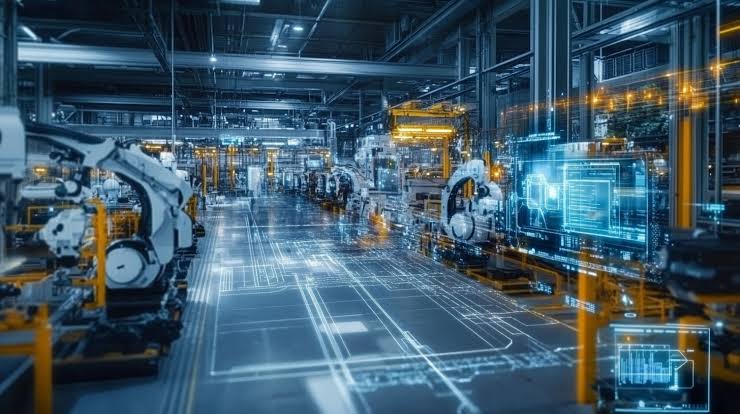
What Is Digital Transformation?
Digital transformation is the process of redesigning business operations, workflows, and decision-making processes through digital technologies. However, it is much more than simply moving existing processes into digital environments. Its primary goal is to leverage data to create faster, more efficient, safer, and more sustainable business operations.
Today, organizations across manufacturing, logistics, retail, energy, and many other industries are investing in digital transformation initiatives to gain a competitive advantage.
Why Is Digital Transformation Important?
In today’s highly competitive business environment, organizations must reduce costs while increasing operational efficiency. Digital transformation enables companies to:
- Optimize operational processes
- Reduce human error
- Make faster decisions with real-time data
- Strengthen occupational health and safety (OHS) practices
- Improve product quality
- Increase customer satisfaction
- Achieve sustainable growth
With the rapid adoption of Industry 4.0 and artificial intelligence technologies, digital transformation is no longer optional—it has become a business necessity.

Core Components of Digital Transformation
1. Data Collection & Analytics
Data is the foundation of every successful digital transformation initiative. Organizations need to collect, analyze, and transform operational data into actionable insights to make informed business decisions.
With data analytics, businesses can:
- Identify operational inefficiencies
- Measure performance
- Generate predictive insights
- Detect risks before they become problems
2. Artificial Intelligence & Computer Vision
Artificial Intelligence enables businesses to automate processes that are difficult for human operators to monitor continuously.
Computer vision systems can:
- Detect production defects
- Identify workplace safety violations
- Reveal operational inefficiencies
- Monitor production processes in real time
3. Automation
Automating repetitive processes reduces operational costs while allowing employees to focus on higher-value tasks.
4. Cloud-Based & Integrated Platforms
Integrating data from multiple systems into a centralized platform provides complete visibility across the organization and supports better decision-making.
Digital Transformation in Manufacturing
One of the primary goals of digital transformation in manufacturing is to increase operational visibility.
Many manufacturers struggle with:
- Hidden production losses
- Unmeasured workforce productivity
- Late detection of quality issues
- Unrecorded safety violations
These challenges increase operational costs and business risks.
Digital transformation solutions enable manufacturers to monitor operations in real time and identify improvement opportunities much faster.
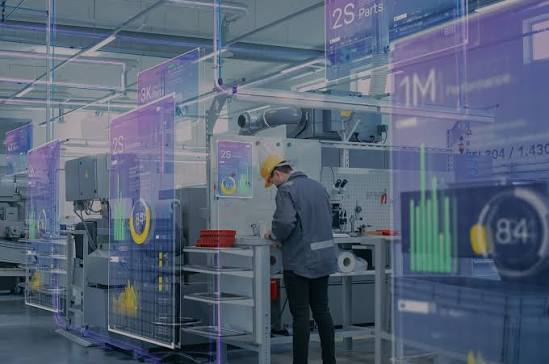
Digital Transformation with MonitEye
MonitEye is an AI-powered computer vision platform that transforms existing IP camera infrastructures into intelligent digital transformation solutions.
Without requiring additional hardware investments, MonitEye analyzes operational activities in real time and converts visual data into meaningful business insights.
Operational Efficiency
MonitEye helps organizations by:
- Analyzing employee activities
- Detecting idle and waiting times
- Identifying micro-stoppages
- Discovering production bottlenecks
- Measuring operational performance
This enables businesses to uncover hidden losses and significantly improve operational efficiency.
AI-Powered Quality Control
MonitEye automatically detects production defects such as:
- Cracks
- Scratches
- Missing assembly components
- Surface defects
This reduces the workload of quality assurance teams while minimizing the risk of defective products reaching customers.
Occupational Health & Safety (OHS)
Workplace safety is one of the most critical areas of digital transformation.
MonitEye can monitor in real time:
- Safety helmet compliance
- High-visibility vest detection
- Protective glove usage
- Restricted area violations
- Forklift–pedestrian interactions
- Smoking detection
- Safety harness compliance for working at height
These AI-powered capabilities help organizations strengthen their safety culture and reduce workplace risks.
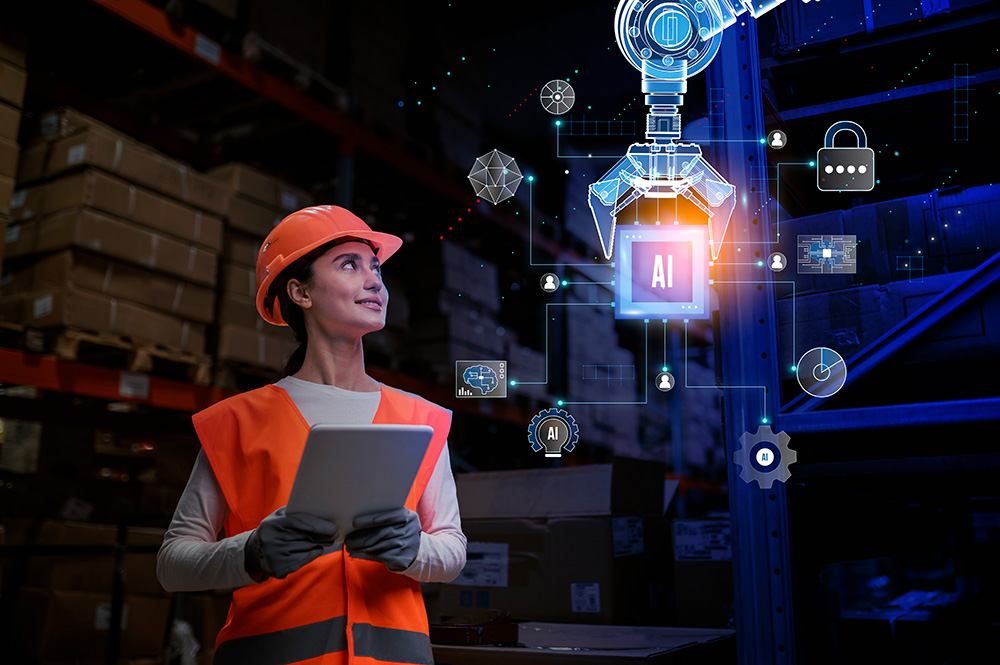
Real-Time Alerts
Detected incidents can be instantly delivered through:
- The MonitEye platform
- Email notifications
- Mobile alerts
This enables faster response times and proactive risk management.
Five Steps to a Successful Digital Transformation
1. Assess Your Current State
Evaluate your existing processes, technologies, and digital maturity before starting your transformation journey.
2. Adopt a Data-Driven Mindset
Make business decisions based on measurable data rather than assumptions.
3. Start with Pilot Projects
Instead of transforming the entire organization at once, begin with focused pilot implementations to validate value and minimize risk.
4. Leverage Artificial Intelligence
AI and computer vision technologies significantly improve operational visibility, efficiency, and decision-making.
5. Build a Culture of Continuous Improvement
Digital transformation is not a one-time project—it is an ongoing journey of innovation and optimization.
Conclusion
Digital transformation is a strategic journey that enhances competitiveness, reduces costs, and drives operational excellence. By leveraging artificial intelligence, data analytics, and computer vision technologies, organizations can manage operations more efficiently and make smarter business decisions.
MonitEye transforms existing IP camera infrastructures into intelligent data sources, helping businesses achieve their digital transformation goals in operational efficiency, quality control, and occupational health & safety.
For the factories and enterprises of the future, digital transformation is no longer an option—it is the foundation of sustainable growth.
Ready to accelerate your digital transformation journey? Contact MonitEye today and discover how AI-powered computer vision can transform your operations.